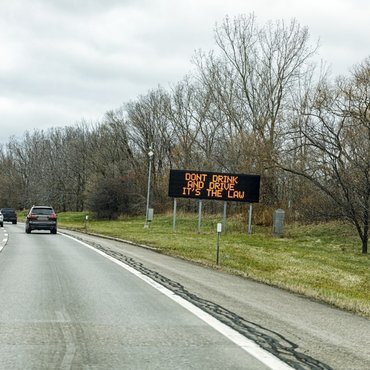
There is
no legal difference between DUI and DWI in Canada
— neither term exists in Canadian law. Both are American abbreviations, and Canada does not use either one to lay a charge. Everything people call a "DUI" or a "DWI" is prosecuted under the
Criminal Code
as an
impaired driving offence
: impaired operation, "over 80," drug-impaired driving, refusal, and care or control. The label you use makes no difference; the consequences — a criminal record, a driving prohibition, and possible jail — are the same.
That gap between the everyday language and the actual law matters. Because "DUI" and "DWI" are borrowed from U.S. states, many people in Toronto assume Canada has different tiers of drinking-and-driving charges, or that one is "less serious" than the other. In reality, Canadian impaired driving law is broad and strict, and the terminology tells you nothing about how exposed you are.
Key Takeaways
-
DUI and DWI are
not
Canadian legal terms — the charge is
impaired driving
under the
Criminal Code
.
-
Impaired driving offences are set out in
Part VIII.1 of the Criminal Code
(sections 320.11 and following), added by Bill C-46 in 2018.
-
The common charges are impaired operation, "over 80" (80+ mg of alcohol per 100 mL of blood), drug-impaired driving, refusal, and care or control.
-
A first conviction carries
mandatory minimum penalties
, including at least a $1,000 fine and a driving prohibition.
-
Impaired driving convictions almost always leave a
criminal record
.
-
You do not have to be caught driving — "care or control" can be enough.
-
Early legal advice matters most in breath, blood, and roadside-testing cases.
Why DUI and DWI Do Not Exist in Canadian Law
In the United States, the exact wording varies by state. "DWI" usually stands for
driving while intoxicated
(or
impaired
), "DUI" for
driving under the influence
, and some states add "OWI" (
operating while intoxicated
). A few states treat DUI and DWI as separate offences with different thresholds. That is a
U.S. distinction
, not a Canadian one.
Canada does not split hairs between "under the influence" and "while impaired." All of that conduct falls under a single framework:
impaired driving offences
under the
Criminal Code
. Historically Canada used phrases like "
driving while impaired
," but modern legislation replaced that language with a broader idea of
impairment by alcohol, a drug, or a combination of the two
, regardless of the substance involved.
Today the law does not care what you call it. What matters is:
-
the presence of alcohol or drugs,
-
the driver's ability to operate the vehicle safely, and
-
compliance with lawful police demands.
What Charges Replace DUI and DWI in Canada?
If someone is arrested for what they'd call a "DUI," they are typically charged under one or more offences in
Part VIII.1
of the
Criminal Code
.
Impaired operation (
s. 320.14(1)(a)
)
— operating a conveyance while your ability to do so is impaired
to any degree
by alcohol or a drug. This is based on the officer's observations of impaired ability.
"Over 80" (s. 320.14(1)(b))
— having a blood alcohol concentration at or above 80 mg of alcohol per 100 mL of blood within two hours of driving. This is a stand-alone offence; you can be convicted on the reading alone, even without obvious signs of impairment. (Ontario also imposes shorter-term "warn range" penalties between 50 and 80 mg, but those are provincial, not criminal.)
Drug-impaired driving (s. 320.14(1)(c))
— having a prohibited blood drug concentration within two hours of driving, or impairment shown through drug-recognition evaluations, screening devices, or blood analysis.
Refusal to comply (
s. 320.15
)
— refusing or failing to comply with a lawful demand for a breath or blood sample.
Care or control
— being in a position to set a vehicle in motion while impaired, even if you were not driving (explained below).
These are all criminal offences whether someone calls them DUI, DWI, or impaired driving.
Why "Care or Control" Surprises Many Drivers
One of the most misunderstood parts of Canadian impaired driving law is
care or control
. Under the 2018 reforms, Parliament folded that concept into the single defined term
operate
— so the risk did not go away; it was built into the offence itself.
You can be charged even if:
-
the vehicle is parked,
-
the engine is off, or
-
you never intended to drive.
If police believe you had the ability to set the vehicle in motion while impaired — for example, sitting in the driver's seat with the keys accessible — that can be enough.
"Many people assume they are safe if they are not driving. In law, that assumption is often wrong. Care or control charges are common and frequently misunderstood."
—
Jeff Mass
What Happens If You Are Convicted
Impaired driving is one of the most strictly enforced offences in Canada, with
mandatory minimum penalties
that a judge cannot go below.
Minimum consequences (first offence):
-
a fine of at least $1,000 (higher for elevated readings or refusal),
-
a mandatory driving prohibition, and
-
a criminal record.
Additional consequences can include:
A conviction can also reach well beyond the roadside — including
how an impaired driving charge affects employment
. Repeat offences, or cases involving bodily harm or death, carry substantially higher penalties, including significant jail time.
Alcohol vs Drug Impairment: No Practical Distinction in Risk
Some people assume drug impairment is treated more leniently than alcohol. Legally, both fall under the
same framework
in section 320.14. The practical difference is in the
evidence
: drug-impaired cases often rely on police observations, standardized field sobriety tests, and drug-recognition expert (DRE) evaluations, which makes them highly fact-driven and frequently contestable.
Refusing a Breath Sample: Often a Bigger Problem
Refusing to provide a breath sample is
not
a way to avoid a charge — it is a separate criminal offence under section 320.15. In many cases, refusal carries penalties equal to or greater than those for impaired driving itself.
"Refusal cases are often more complex than people expect. What seems like a simple decision in the moment can carry the same — or greater — consequences than a conviction for impaired driving."
—
Heather Spence
Why Terminology Does Not Matter But Evidence Does
Whether you call it DUI, DWI, or impaired driving has no legal effect. What actually decides a case is the evidence the police collected, whether your
Charter
rights were respected, the reliability of the testing procedures, and how the Crown builds its case. Impaired driving cases are usually won or lost on
technical and evidentiary grounds
— including the
defences
counsel raise against breath results,
Charter
breaches, and Crown proof — not on labels.
Why Early Legal Advice Matters in Impaired Driving Cases
Impaired driving cases are highly technical. The evidence may include breathalyzer calibration records, the timing of samples, police notes, and roadside-testing procedures — and errors in any of these can change the outcome, but only if they are spotted early. Acting quickly lets counsel preserve disclosure issues, assess possible
Charter
breaches, challenge testing procedures, and build a defence before positions harden. Demands, breath tests, and release conditions unfold quickly after a stop, so understanding the
DUI arrest process in Ontario
helps — but the critical step is getting advice before you speak to police or provide further samples.
If you have been charged with what's commonly called a DUI in the Greater Toronto Area, the
defence lawyers at Mass Tsang
can help you understand your options. Their approach focuses on technical defence, evidentiary analysis, and protecting your long-term interests — not just resolving the immediate charge. Speak to a lawyer before taking any further steps.